
Understanding Awaab’s Law: A Complete Guide to Compliance
Understanding Awaab’s Law Phase 1 and Phase 2: A Complete Guide to Compliance & Responsibilities
The UK social housing sector is undergoing a big shift in how resident safety and property standards are managed. Named in memory of two-year-old Awaab Ishak, who tragically died from a severe respiratory condition caused by prolonged exposure to mould in his home, Awaab’s Law introduces strict statutory deadlines for social landlords to investigate and repair dangerous housing hazards.
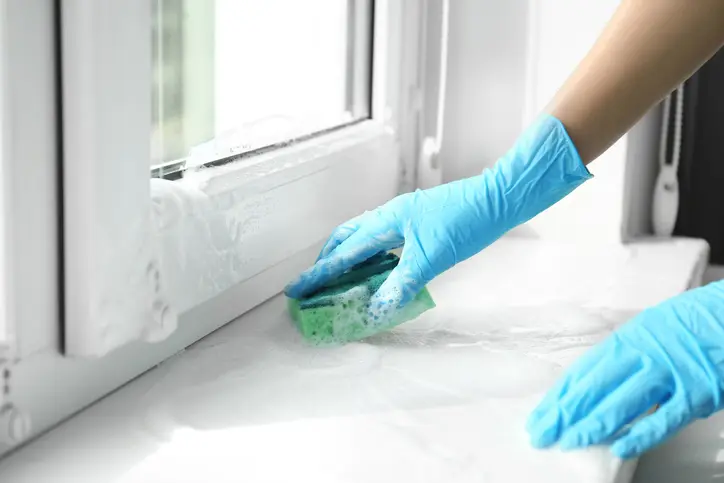
Enacted via the Social Housing (Regulation) Act 2023 and brought into legal force under the Hazards in Social Housing (Prescribed Requirements) (England) Regulations 2025, this law ensures that serious property defects are no longer ignored or delayed. Understanding the rollout of Phase 1 and Phase 2, along with the shared responsibilities across social housing organizations, is vital for maintaining safe homes and legal compliance.
To ensure housing officers, landlords, and maintenance teams understand these statutory duties, taking a dedicated Awaab’s Law Course provides essential compliance training. You can also test your current knowledge first by trying an interactive Awaab’s Law Mock Test.
The Phased Rollout: Phase 1 vs. Phase 2
Awaab’s Law uses a phased approach to integrate statutory deadlines across the Housing Health and Safety Rating System (HHSRS).
| Phase | Effective Date | Covered Hazard Categories | Key Focus & Scope |
| Phase 1 | Late 2025 | • Damp & Mould • Emergency Hazards | Addresses the core catalyst of the law; targets damp, mould, and any immediate threat of serious harm. |
| Phase 2 | Late 2026 | • Excess Cold & Heat • Electrical Hazards • Fire & Explosions • Structural Collapse • Fall Hazards • Hygiene & Pests | Expands strict response times across wider HHSRS risks including heating failures, wiring issues, and structural safety. |
| Phase 3 | 2027 | • Remaining HHSRS Hazards | Applies statutory deadlines to all remaining hazards across social housing stock (excluding overcrowding). |
Mandatory Statutory Response Times
Regardless of whether a hazard falls under Phase 1 or Phase 2, landlords must adhere to fixed statutory timeframes:
| Action Stage | Mandatory Legal Timescale | Operational Requirements | Landlord Actions |
| Emergency Intervention | Within 24 Hours | Immediate physical action to make the home safe | Deploy emergency repairs or arrange immediate alternative accommodation (decant) at landlord expense. |
| Hazard Investigation | Within 10 Working Days | Root-cause physical inspection following a hazard report | Conduct on-site diagnostic assessment; identify structural issues, system failures, or health risks. |
| Written Summary | Within 3 Working Days | Formal communication provided to the tenant after inspection | Supply written findings, diagnostic results, and a clear timeline for required remedial work. |
| Remedial Safety Works | Within 5 Working Days | Core repair execution following investigation | Complete safety-critical work to remove significant risk of harm; schedule long-term measures. |
Key Roles & Responsibilities
Achieving 100% compliance under Awaab’s Law requires a connected ecosystem across housing organizations, contractors, and residents.
| Stakeholder Group | Core Focus | Primary Responsibilities |
| Landlords & Executive Leadership | Governance & Funding | • Implement digital tracking systems for HHSRS statutory clocks. • Secure budgets for rapid repairs, out-of-hours coverage, and decants. • Maintain full audit trails for regulatory compliance. |
| Triage & Contact Centre Teams | First Contact & Screening | • Log hazard reports immediately under correct HHSRS categories. • Assess occupant vulnerabilities (e.g., elderly, infants, illness). • Trigger statutory investigation timelines from minute of receipt. |
| Surveyors & Repair Contractors | Diagnostics & Execution | • Conduct root-cause inspections (avoid surface-level fixes). • Issue written summary reports within 3 working days. • Complete physical safety repairs within 5 working days. |
| Tenants & Residents | Reporting & Access | • Report property hazards promptly as they arise. • Provide reasonable access for inspection and maintenance teams. |
Frequently Asked Questions (FAQs)
What happens if a tenant refuses access for repairs?
If a landlord makes multiple documented contact attempts and offers flexible access times but is still denied entry, they will generally not be deemed in breach of the statutory timescales. Landlords must maintain a clear audit trail showing “reasonable endeavours” to gain access.
Does Awaab’s Law cover private landlords?
Currently, Awaab’s Law applies to registered providers of social housing and local authorities in England. However, government proposals aim to extend similar strict response frameworks to the private rented sector under future tenancy reform legislation.
Can a landlord blame damp and mould on resident “lifestyle”?
No. Statutory guidance explicitly instructs landlords not to default to lifestyle assumptions (such as drying clothes indoors or poor ventilation practices). Landlords must evaluate and resolve underlying structural defects, thermal performance, and mechanical ventilation issues first.
What happens if a landlord breaches Awaab’s Law timescales?
Breaching statutory timescales forms grounds for legal action under the tenancy agreement. Tenants can take their landlord to court for breach of contract, resulting in court orders to complete works, financial compensation, and potential regulatory sanctions from the Regulator of Social Housing.