
How to Save Money by Maintaining Your Own Pool & Hot Tub
Maintaining Your Own Pool and Hot Tub
Owning a swimming pool or hot tub in the UK is a fantastic luxury, providing endless opportunities for family recreation, social gatherings, and relaxation. However, many pool and spa owners—as well as holiday-let and Airbnb hosts—are often surprised by the ongoing operational costs. Between paying professional maintenance call-out fees, treating unexpected water quality issues, and managing energy consumption, running a facility can quickly add up.
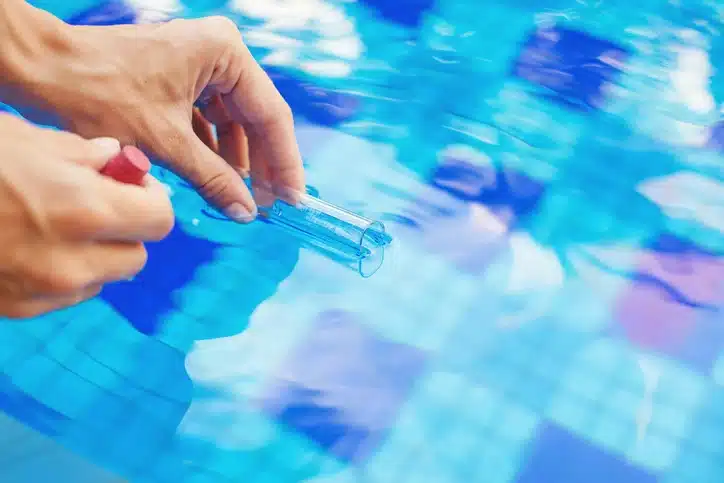
The good news is that you do not need to rely on external contractors for day-to-day upkeep. By developing a firm grasp of water balance, chemical dosing, and plant room care, you can comfortably manage your own setup—reducing routine maintenance overheads while keeping your water clear, hygienic, and compliant with UK safety standards. Below, we explore how taking a hands-on approach to maintenance helps keep running costs under control and how to gain full confidence in managing your facility.
Eliminate Recurring Professional Service Fees
The most immediate financial benefit of DIY pool and hot tub care is cutting out high monthly management fees. While complex mechanical breakdowns do require specialist engineers, routine duties—such as testing sanitizer levels, clearing skimmer baskets, back washing filters, and adjusting pH—are straightforward tasks anyone can master.
By taking these basic responsibilities on yourself you eliminate routine labour charges overnight. For commercial hosts or holiday home managers, managing your own hot tub turnarounds between guest stays keeps operational overhead low and profit margins high.
Prevent Costly Chemical Overdosing and Water Damage
Many untrained pool and hot tub owners fall into the “guesswork trap” when adding chemicals. Adding bucketloads of shock chlorine because the water looks a bit cloudy is a recipe for financial waste and physical damage.
When pool water is unbalanced:
- Low pH (Acidic Water): Corrodes stainless steel heating elements, degrades pump seals, and pits pool plaster or tile grout—leading to structural repairs costing thousands of pounds.
- High pH & Calcium Levels: Causes scaling across pipework and heater exchangers, reducing energy efficiency and shortening equipment lifespan.
- Over-chlorination: Wastes expensive chemical supplies and can ruin pool liners or spa shells prematurely.
By learning precise metric dosing calculations (balancing total alkalinity, calcium hardness, and pH alongside free sanitizer levels), you use only the exact amount of chemical required. Correct balance extends the lifespan of your mechanical plant by years, saving you from premature equipment replacement.
Boost Energy Efficiency and Lower Utility Bills
With UK energy costs remaining a top concern, running a pool pump or hot tub heater continuously can add up fast. Inefficient plant operation drains your wallet far faster than necessary.
Simple, proactive maintenance techniques dramatically lower electricity and gas usage:
- Filter Backwashing & Cleaning: A clogged filter restricts water circulation, forcing your circulation pumps to work significantly harder and consume more power.
- Proper Thermal Cover Usage: Keeping your water balanced prevents degradation of insulated covers, preserving heat retention.
- Optimised Pump Timers: Understanding circulation turnover rates allows you to run filtration systems on off-peak tariffs without sacrificing water clarity.
Regularly cleaning filter cartridges, monitoring pressure gauges, and managing pipework hygiene ensures your circulation and heating systems operate at peak thermodynamic efficiency.
Protect Yourself from Costly Legal Penalties (UK Compliance)
If you operate a holiday let, guesthouse, or commercial venue with a pool or spa, poor water management isn’t just expensive—it’s a legal liability. In the UK, the Health and Safety Executive (HSE) enforces strict standards, particularly under guidance document HSG282 (Control of Legionella and other infectious agents in spa-pool systems), alongside recommendations from the Pool Water Treatment Advisory Group (PWTAG).
An outbreak of Legionella or Pseudomonas aeruginosa can lead to local council intervention, severe fines, or forced business closure. By establishing proper daily testing logs, compliant disinfectant residual levels, and regular drainage schedules, you protect both your patrons’ health and your financial livelihood.
Build Your Knowledge and Test Your Skills
Taking control of your Pool or Hot Tub doesn’t require a high level qualification – simply structured training. Understanding circulation flow rates, chemical reactions, and safety compliance gives you total confidence in managing your setup.
You can test your basic understanding of water chemistry, dosing calculations, and safety rules right now by taking this interactive Pool & Hot Tub Maintenance Mock Test.
Once you’ve identified any gaps in your knowledge, enrolling on a course like Hot Tub & Pool Maintenance Certificate equips you with all the knowledge and regulatory skills required to safely manage Hot Tub or Pools used either privately or by Air BNB or Holiday let guests.
Frequently Asked Questions (UK)
Is it legal to manage a Hot Tub or Pool tub on a holiday rental property myself in the UK?
Yes, provided you comply with UK health and safety regulations. For commercial settings and holiday rentals, you must follow HSE guidance HSG282. This requires maintaining accurate daily water testing records, enforcing adequate disinfectant residuals, managing Legionella risk, and maintaining clean filtration systems.
Do I need prior experience to complete a Hot Tub & Pool Maintenance course?
No prior engineering or chemistry background is required. Comprehensive courses are designed for beginners, residential owners, facility managers, and holiday-let hosts alike, starting with core principles before moving into practical plant management and dosing.
How often should Hot Tub or Pool water be tested?
For domestic pools and hot tubs, water should ideally be tested 2 to 3 times per week. For commercial facilities, holiday rentals, or high-use spas, UK guidance recommends testing free sanitizer and pH levels prior to each guest arrival or at least 2 to 3 times daily while in operation.