
Understanding Awaab’s Law: A Complete Guide to Compliance
Understand the strict deadlines for social landlords to investigate and repair dangerous housing hazards with this post covering Awaab’s Law Phase 1 and Phase 2.

Understand the strict deadlines for social landlords to investigate and repair dangerous housing hazards with this post covering Awaab’s Law Phase 1 and Phase 2.

You do not need to rely on expensive external contractors for standard, day-to-day upkeep. By understanding basic water balance, chemical dosing, and equipment management, you can comfortably maintain your own facility—saving thousands of pounds every year while keeping your water crystal clear, hygienic, and fully compliant with UK safety standards.
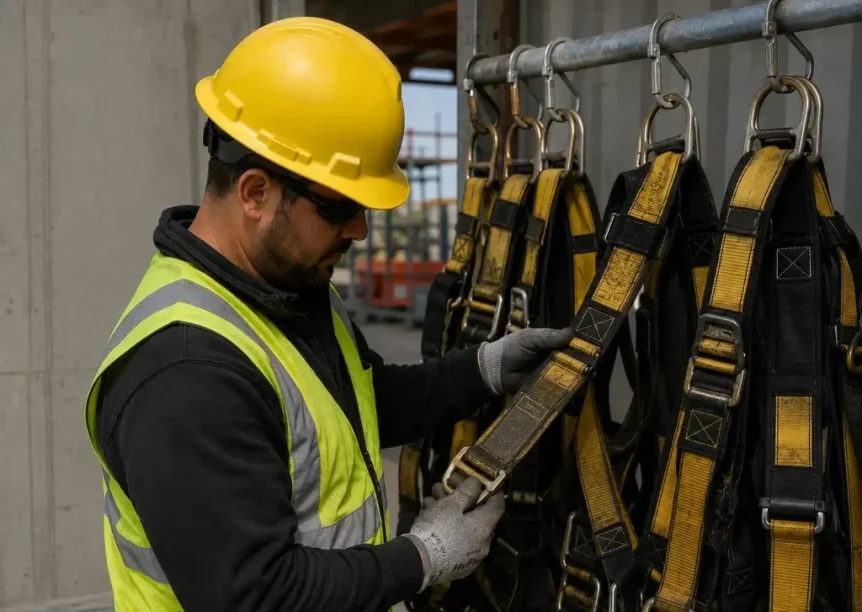
Understanding how, when, and by whom Harness & Lanyard checks should be carried out is a legal obligation for duty holders, site managers, and operatives alike. This essential knowledge is required to carry out pre-use & interim Safety Harness System inspections, ensuring equipment safety in accordance with the Work at Height Regulations 2005
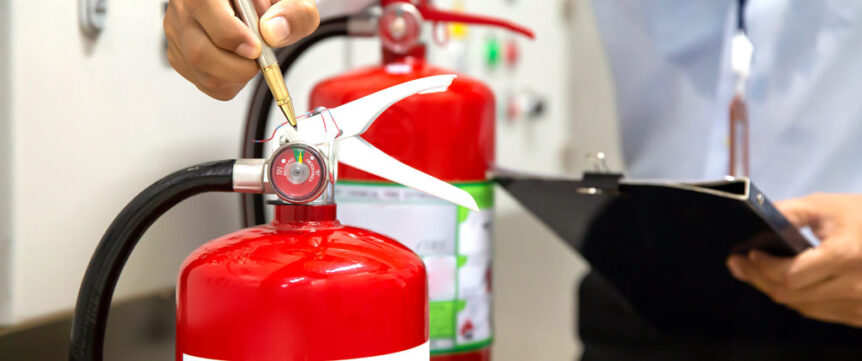
A widespread misconception among business owners is that every single check on a fire extinguisher requires hiring an expensive, fully qualified fire safety engineer. This belief often leads to inflated maintenance budgets and missed compliance checks.
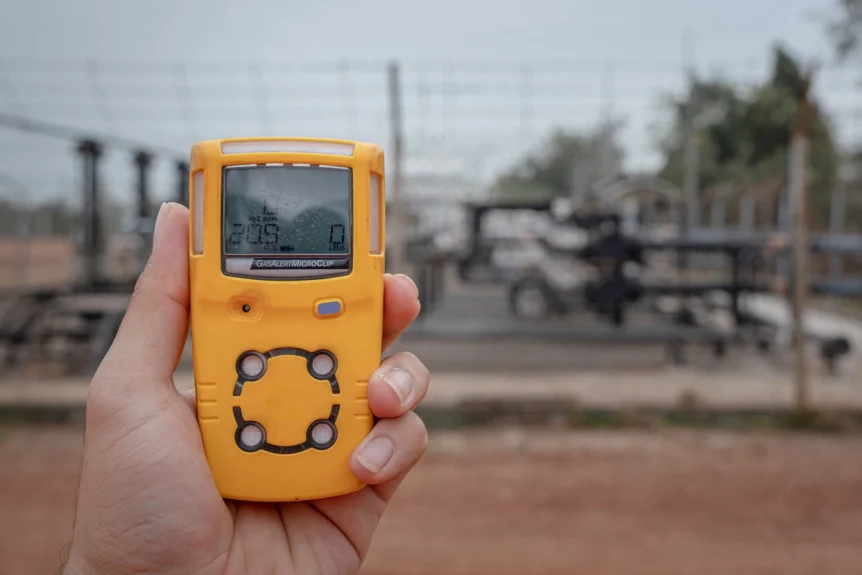
Hydrogen Sulphide (H2S) is one of the most hazardous gases encountered in modern industry. Known colloquially as “sewer gas”, it poses immediate, severe threats to life and health when left unmonitored. Across the UK—particularly in offshore oil and gas, wastewater treatment, utilities, agriculture, and manufacturing—proper gas awareness is not just best practice; it is a statutory safety requirement.

Managing environmental compliance on construction sites is a strict legal requirement. Because of this, getting a Site Environmental Awareness Training Scheme (SEATS) certificate is a great way to progress your career.
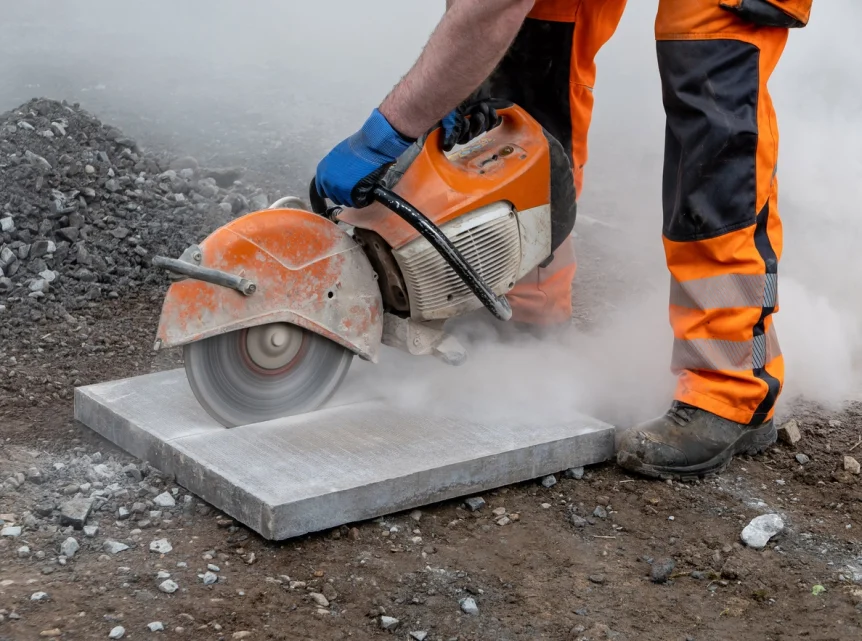
In the UK construction, stonemasonry, refurbishment, and manufacturing sectors, respirable crystalline silica (RCS) represents one of the most significant environmental health hazards facing site personnel and trade specialists.
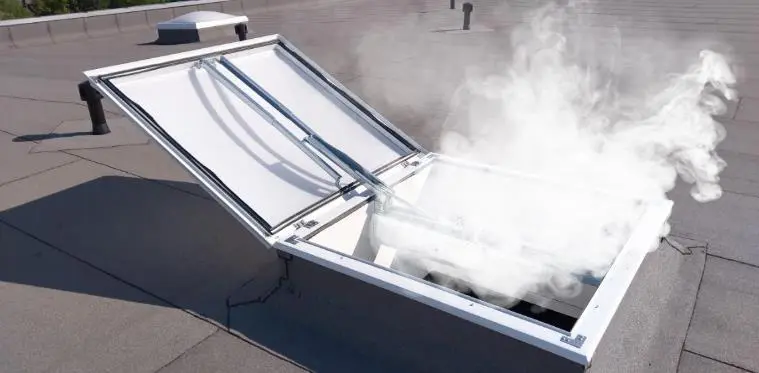
In a building fire, smoke poses a far more immediate threat to human life than flames. Toxic gases and dense smoke can fill corridors and escape stairwells within minutes—disorienting occupants and completely severing evacuation routes. This is where Automatic Opening Vent (AOV) systems become vital. As a critical component of active fire safety in multi-storey residential blocks, commercial facilities, and complex public buildings, AOVs automatically clear heat and smoke from key zones. By keeping escape pathways visible and breathable, they protect fleeing occupants while granting fire and rescue teams safe access to control the blaze.
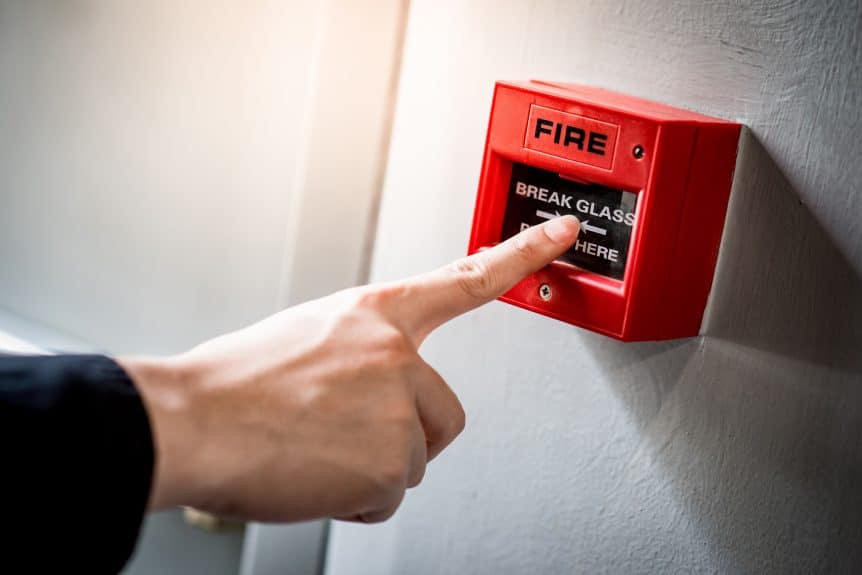
Ensuring fire safety in a commercial building, construction site, or multi-occupancy premises is one of the most critical responsibilities assigned to business owners, employers, and designated site personnel. While having a modern fire alarm system installed is an essential first step, it is only as effective as its ongoing testing and maintenance.

In today’s digital-first economy, data is the most valuable asset your business holds. From customer email addresses and employee payroll information to client purchasing histories, businesses process massive amounts of personal data daily. However, with this data comes significant legal responsibility.